
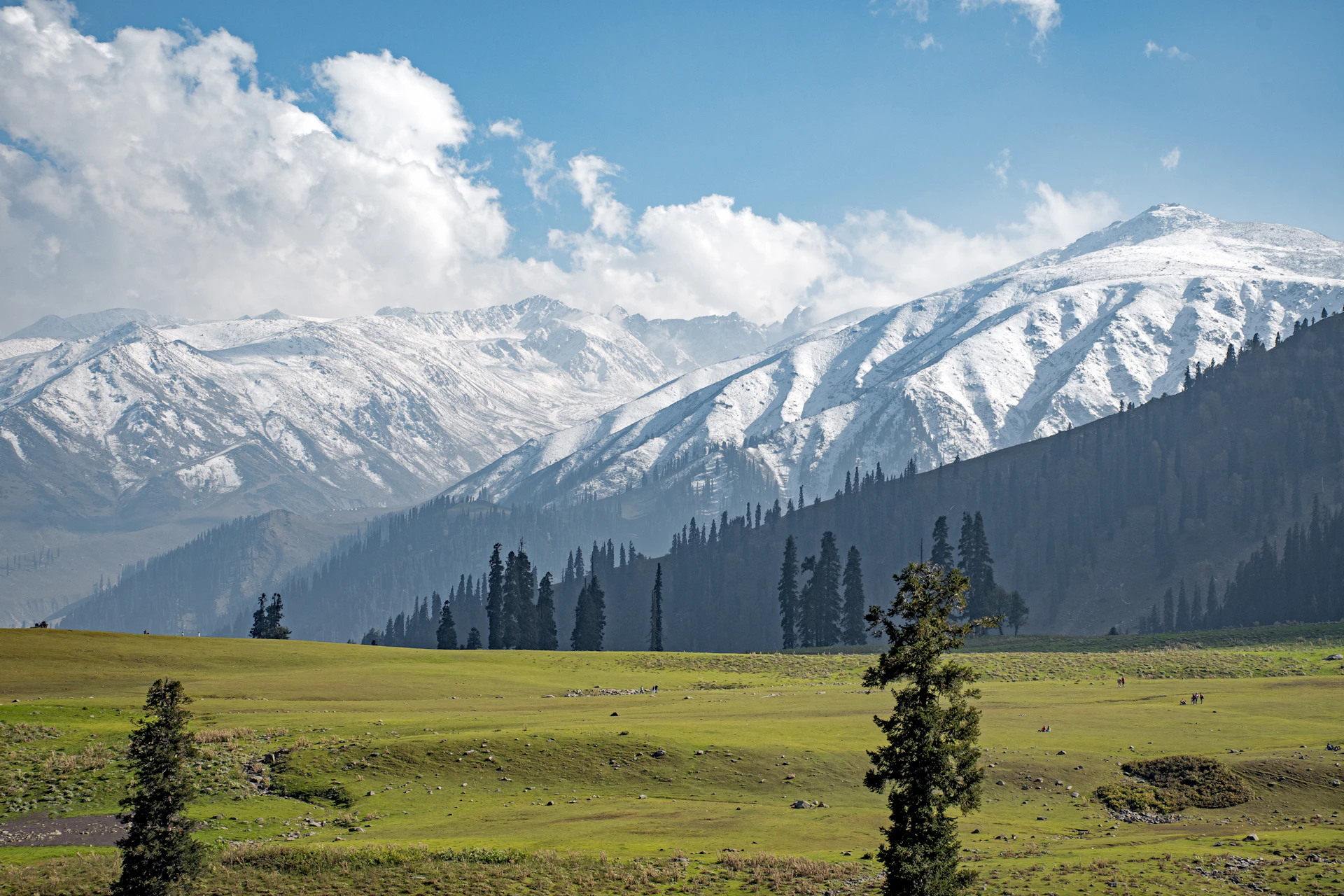
Best Time to Visit IndiaA Month-by-Month Guide
India has a season for every region. Here is where to go, month by month — from Rajasthan’s winter sun to Ladakh’s summer passes.
Travel this story
Everything you've just read, as a private journey. Your own car, driver and guides, shaped around your dates.
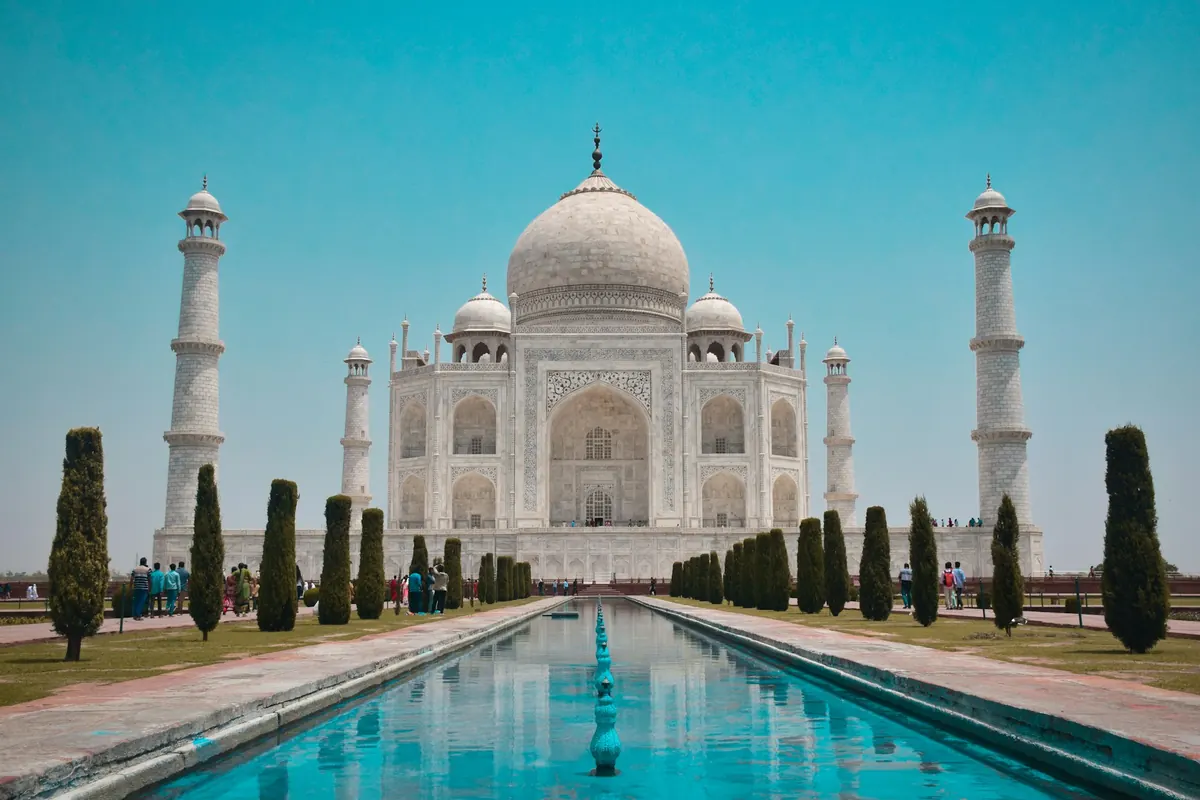
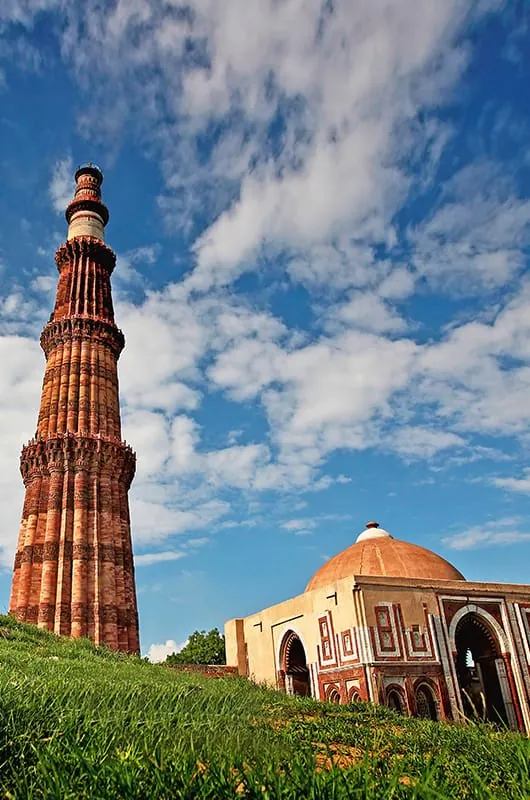
Golden Triangle Tour
Delhi, Agra’s Taj Mahal, Fatehpur Sikri & Jaipur Pink City
- Delhi
- Agra
- Fatehpur Sikri
- Jaipur
- Delhi
- Guided tour of Old & New Delhi landmarks including Qutab Minar & Chandni Chowk
- Sunrise visit to the iconic Taj Mahal in Agra and tour of Agra Fort
- En-route exploration of Emperor Akbar’s deserted capital at Fatehpur Sikri
A reply within 24 hours. Nothing to pay until you approve your plan.
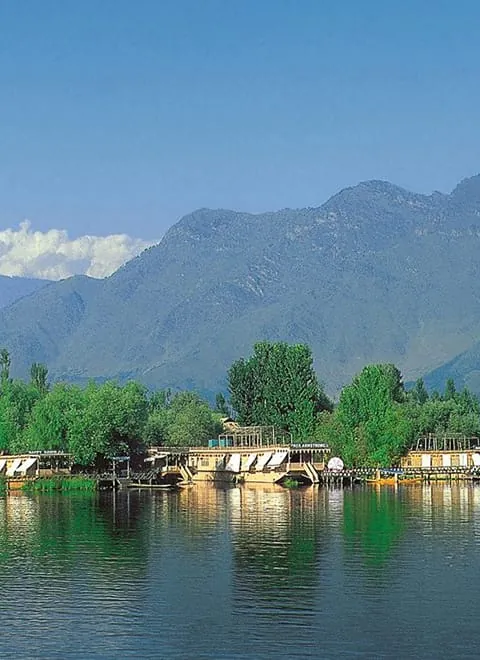
Srinagar · Dal Lake · Pahalgam · Betaab Valley · Gulmarg · Srinagar
Kashmir Tour Package
Houseboat on Dal Lake, Pahalgam Pine Valleys & Gulmarg Gondola
- Overnight stay on a traditional hand-carved Kashmiri houseboat on Dal Lake
- Sunset Shikara boat ride across Dal Lake floating markets and lotus gardens
- Mughal Gardens: Nishat Bagh (Garden of Bliss) and Shalimar Bagh (Abode of Love)
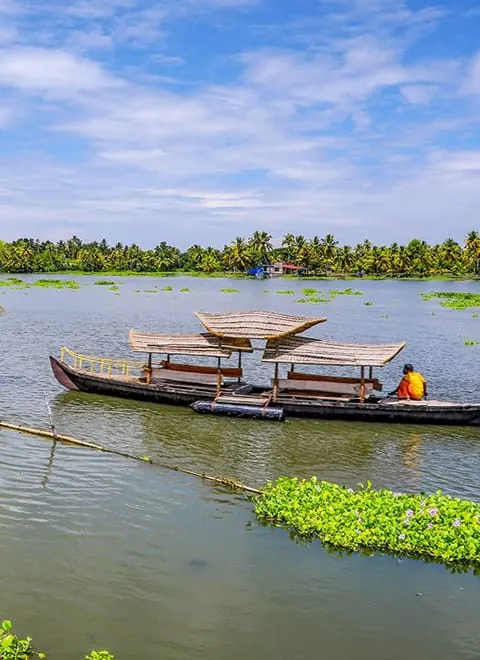
Cochin · Munnar · Thekkady · Alleppey Backwaters · Kovalam Beach · Trivandrum
Keralam Hills, Backwaters and Beach Tour
Cochin, Munnar Tea Estates, Thekkady Safari, Alleppey Houseboat & Kovalam
- Munnar hill station: Tea Museum, Mattupetty Dam, Kundale Lake, and Eravikulam National Park
- Thekkady: Periyar Lake boat safari to spot wildlife and fragrant spice plantation tour
- Full day and overnight stay on a traditional Keralam wooden Houseboat with all meals
Srinagar · Dal Lake · Pahalgam · Betaab Valley · Gulmarg · Srinagar
Kashmir Tour Package
Houseboat on Dal Lake, Pahalgam Pine Valleys & Gulmarg Gondola
- Overnight stay on a traditional hand-carved Kashmiri houseboat on Dal Lake
- Sunset Shikara boat ride across Dal Lake floating markets and lotus gardens
- Mughal Gardens: Nishat Bagh (Garden of Bliss) and Shalimar Bagh (Abode of Love)
Cochin · Munnar · Thekkady · Alleppey Backwaters · Kovalam Beach · Trivandrum
Keralam Hills, Backwaters and Beach Tour
Cochin, Munnar Tea Estates, Thekkady Safari, Alleppey Houseboat & Kovalam
- Munnar hill station: Tea Museum, Mattupetty Dam, Kundale Lake, and Eravikulam National Park
- Thekkady: Periyar Lake boat safari to spot wildlife and fragrant spice plantation tour
- Full day and overnight stay on a traditional Keralam wooden Houseboat with all meals
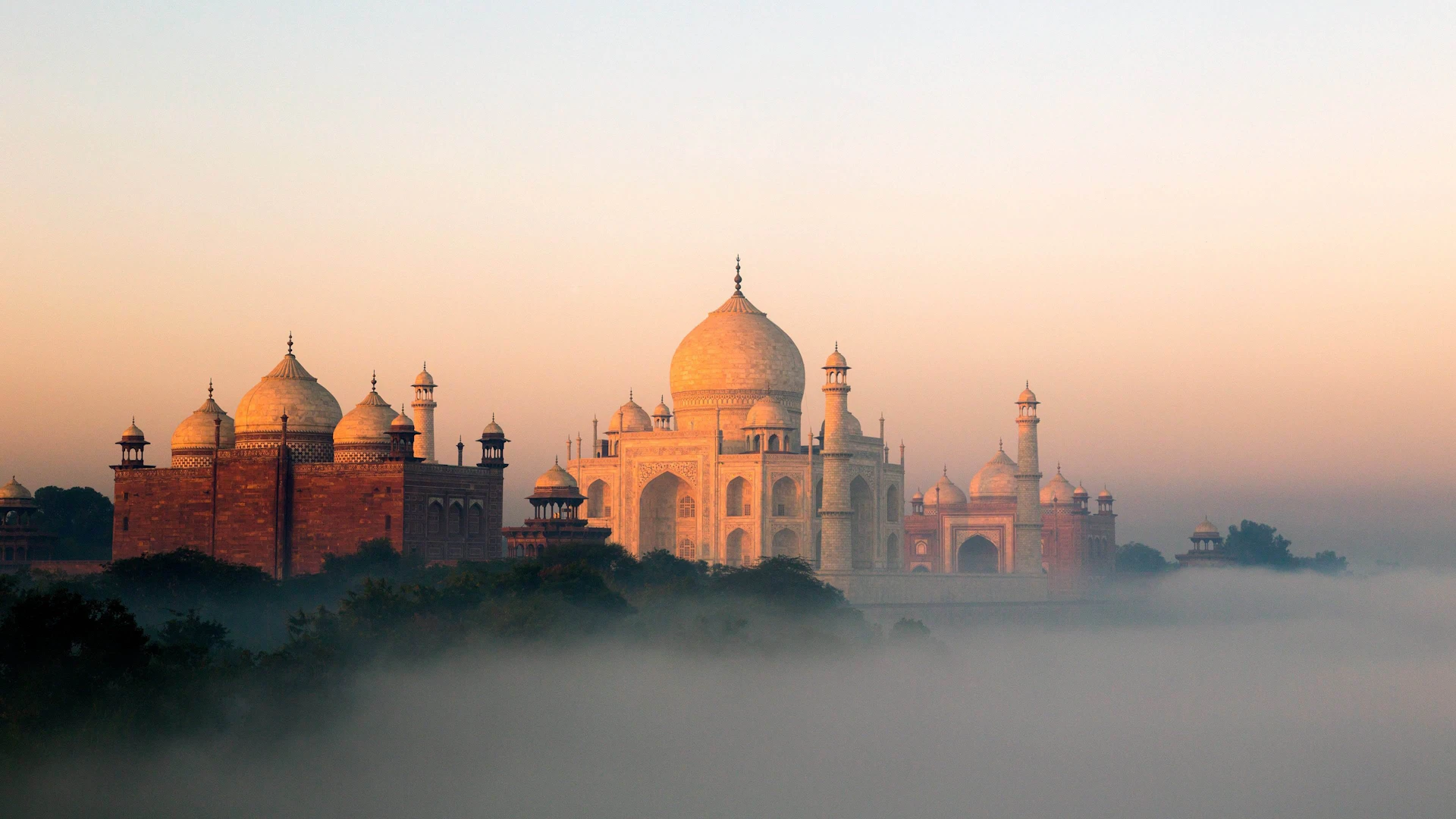
Golden Triangle Itinerary
Delhi, Agra & Jaipur in 6 Days
The Golden Triangle links Delhi, Agra and Jaipur in a loop of about 720 km. Here is a day-by-day itinerary, travel times, and tips for seeing the Taj Mahal at its best.
Read the next story · 7 min